

Plastic cable ties, also known as zip ties or wire ties, are one of the most widely used fastening tools in various industries and everyday applications. These versatile and durable fasteners consist of a flexible strap and a locking mechanism, allowing for quick and secure bundling and organization of cables, wires, and other objects. Despite their simplicity, plastic cable ties possess three distinctive characteristics that make them highly popular and efficient. Let's explore these characteristics in detail.
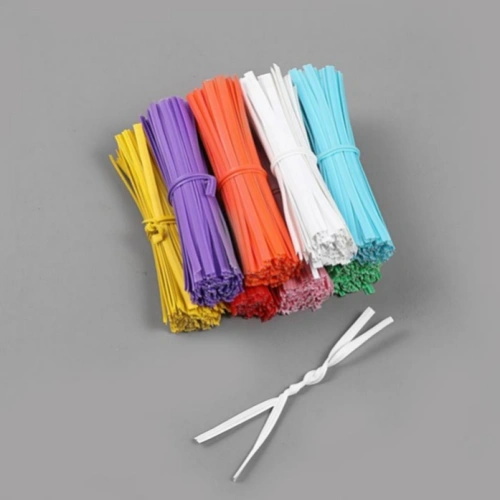
1. Strength and Durability: One of the primary characteristics of plastic cable ties is their impressive strength and durability. Made from high-quality nylon or polypropylene materials, these ties are engineered to withstand significant tension and hold objects securely in place. They possess excellent tensile strength and can reliably support and bind multiple cables or wires together. Modern plastic cable ties can withstand a considerable amount of pressure without snapping or breaking, ensuring that the bundled items remain securely fastened for extended periods.
Moreover, plastic cable ties are resistant to various environmental factors. They are designed to withstand exposure to moisture, heat, and UV radiation, making them suitable for both indoor and outdoor applications. Their durability ensures that they maintain their structural integrity even in harsh environmental conditions, making them perfect for use in construction sites, electrical installations, and outdoor events.
2. Ease of Use and Versatility: Another characteristic that sets plastic cable ties apart is their ease of use and versatility. With a simple and intuitive design, anyone can quickly learn how to use them effectively. The strap is threaded through the locking mechanism, and once in place, it can be easily tightened by pulling the strap. Once secured, the excess strap can be trimmed off with a simple cutting tool, resulting in a neat and tidy bundle.
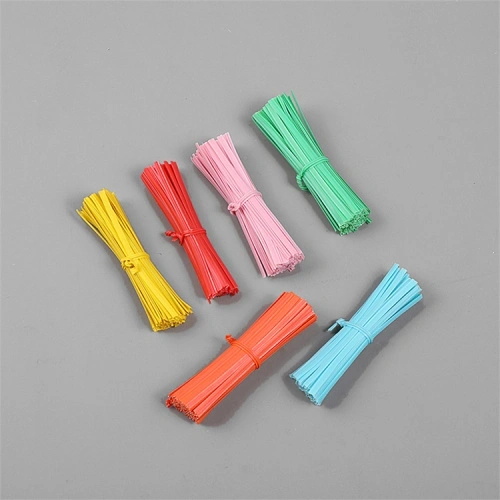
Plastic cable ties also offer versatility in terms of application. They come in various lengths, widths, and colors, allowing users to choose the most suitable option for their specific needs. Whether it's organizing cables, securing gardening tools, or bundling industrial materials, these ties can be adapted to a wide range of tasks. Additionally, they can be used in conjunction with other fastening methods or accessories, such as adhesive mounts or screw holes, to enhance their utility further.
3. Tamper-Resistance and Security: The third characteristic of plastic cable ties is their tamper-resistant nature, making them an excellent choice for security applications. Once tightened, the locking mechanism of a plastic cable tie cannot be easily undone without cutting or damaging the tie itself. This feature ensures that the bundled items remain securely fastened and protected from unauthorized access or tampering.
Plastic cable ties are commonly used in industries that require security measures, such as airlines, logistics, or law enforcement. They are used to seal bags, secure equipment, or indicate whether a package has been tampered with. The highly visible and tamper-resistant nature of these ties provides a visual indication of any interference, promoting safety and accountability.
In conclusion, plastic cable ties possess three distinctive characteristics that contribute to their widespread use and popularity: strength and durability, ease of use and versatility, and tamper-resistance and security. These characteristics enable these simple yet effective fasteners to excel in various applications, from organizing cables to securing valuable items. Whether in industrial settings or everyday use, plastic cable ties continue to prove their efficiency, reliability, and adaptability.